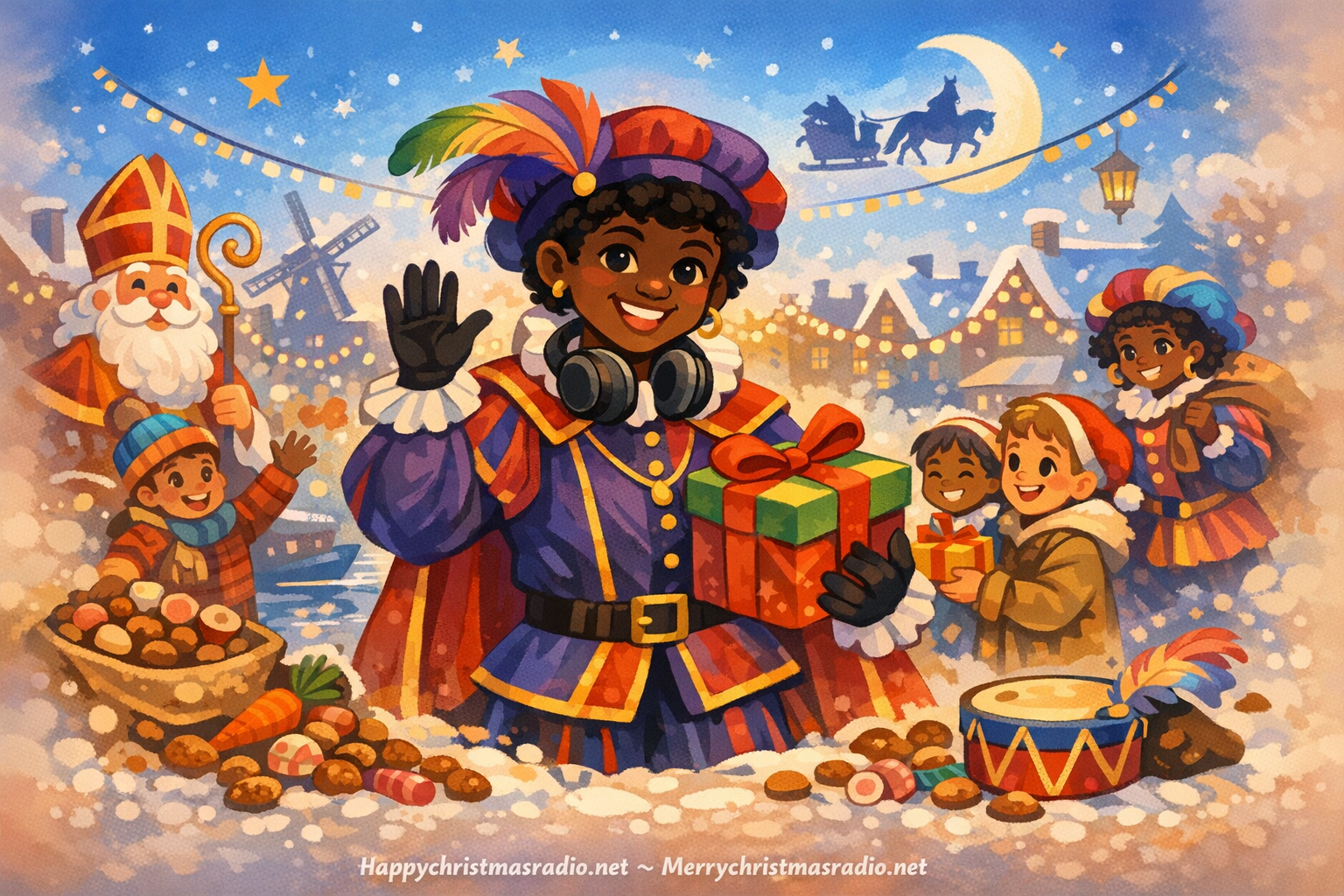
Understanding the Tradition of Zwarte Piet
For many, the Christmas season is a time of joy, family gatherings, and cherished traditions. One such tradition, particularly in the Netherlands, is the character of Zwarte Piet, or Black Pete. Traditionally portrayed as the companion of Sinterklaas, Zwarte Piet has been a beloved figure, bringing gifts to children during the festive season. However, this character has faced significant scrutiny and criticism over the years due to its racial connotations and stereotypical portrayal.
The Shift Towards Inclusivity
In recent years, the portrayal of Zwarte Piet has begun to change, reflecting a broader societal push for inclusivity and awareness. Many communities have started to adopt variations of the character that move away from the traditional blackface depiction. Instead, they have introduced versions of Zwarte Piet with colorful costumes, curly wigs, and no makeup that exaggerates features. This evolution aims to retain the festive spirit while embracing a more respectful representation that resonates with today’s values.
Embracing Change in Celebrations
As Christmas lovers, it's essential to consider how our traditions can evolve while maintaining their charm. The modernization of Zwarte Piet illustrates how traditions can adapt to foster inclusivity without losing their essence. Many families are now opting for new interpretations that allow everyone to celebrate the joy of Christmas together, regardless of their background. This shift not only enriches the festive atmosphere but also encourages dialogue about cultural sensitivity and respect.
As we celebrate Christmas, let’s embrace the spirit of change and look forward to a future where traditions unite us rather than divide us. By being open to these transformations, we can ensure that the magic of the season remains alive for generations to come.