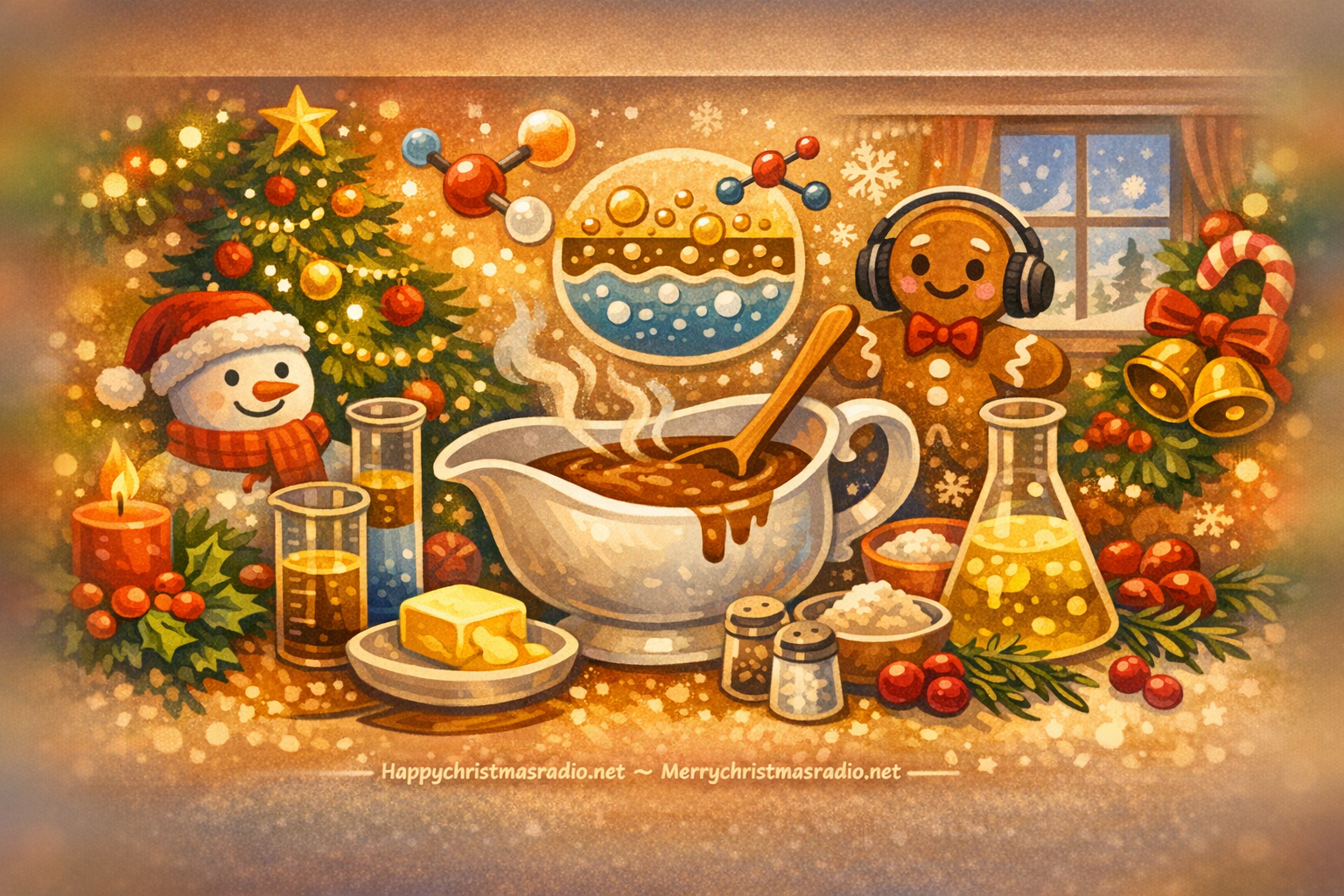
The Art and Science of Gravy
Christmas dinner wouldn’t be complete without a rich, flavorful gravy to drench your turkey and mashed potatoes. But what truly makes gravy perfect? It’s not just about taste; it’s about understanding the science behind its texture and consistency. Two essential concepts come into play here: viscosity and emulsion. By mastering these elements, you can elevate your holiday cooking to new heights.
Understanding Viscosity
Viscosity refers to the thickness or resistance to flow of a liquid. When it comes to gravy, you want a consistency that is neither too runny nor too thick. The ideal gravy should coat the back of a spoon, showcasing that perfect balance. Achieving this involves controlling the amount of fat and flour in your roux, which serves as the base for your gravy. The flour acts as a thickening agent, while the fat enhances flavor and mouthfeel.
The Role of Roux
To create a roux, start with equal parts flour and fat. Cook them together until they form a paste, then gradually whisk in your stock or drippings. The key is to combine the ingredients slowly, allowing the flour to hydrate and the mixture to thicken without clumping. If your gravy is too thin, you can always add a bit more roux or a cornstarch slurry to achieve that desired viscosity.
The Magic of Emulsion
Emulsion is another crucial factor in crafting the perfect gravy. An emulsion occurs when two liquids that typically do not mix—like oil and water—are combined into a stable mixture. In gravy, the fat from the drippings or butter needs to be emulsified with the stock. This not only enhances the flavor but also gives the gravy a smooth, velvety texture.
Tips for a Successful Emulsion
- Whisk Constantly: When adding fat to your stock, whisk vigorously to create that emulsion.
- Temperature Matters: Ensure that your fat is warm when combining it with the stock, as this helps maintain the emulsion.
- Don’t Rush: Take your time with the process. Gradually adding fat while stirring will yield the best results.
Final Thoughts for a Festive Feast
As you prepare for your Christmas dinner, remember that the perfect gravy is a blend of art and science. By understanding viscosity and emulsion, you can create a gravy that not only tastes fantastic but also complements your holiday dishes beautifully. So, gather your ingredients, put on your chef’s hat, and let the magic of science bring joy to your festive table!
Happy cooking and Merry Christmas!