The Magic of Christmas Symbols
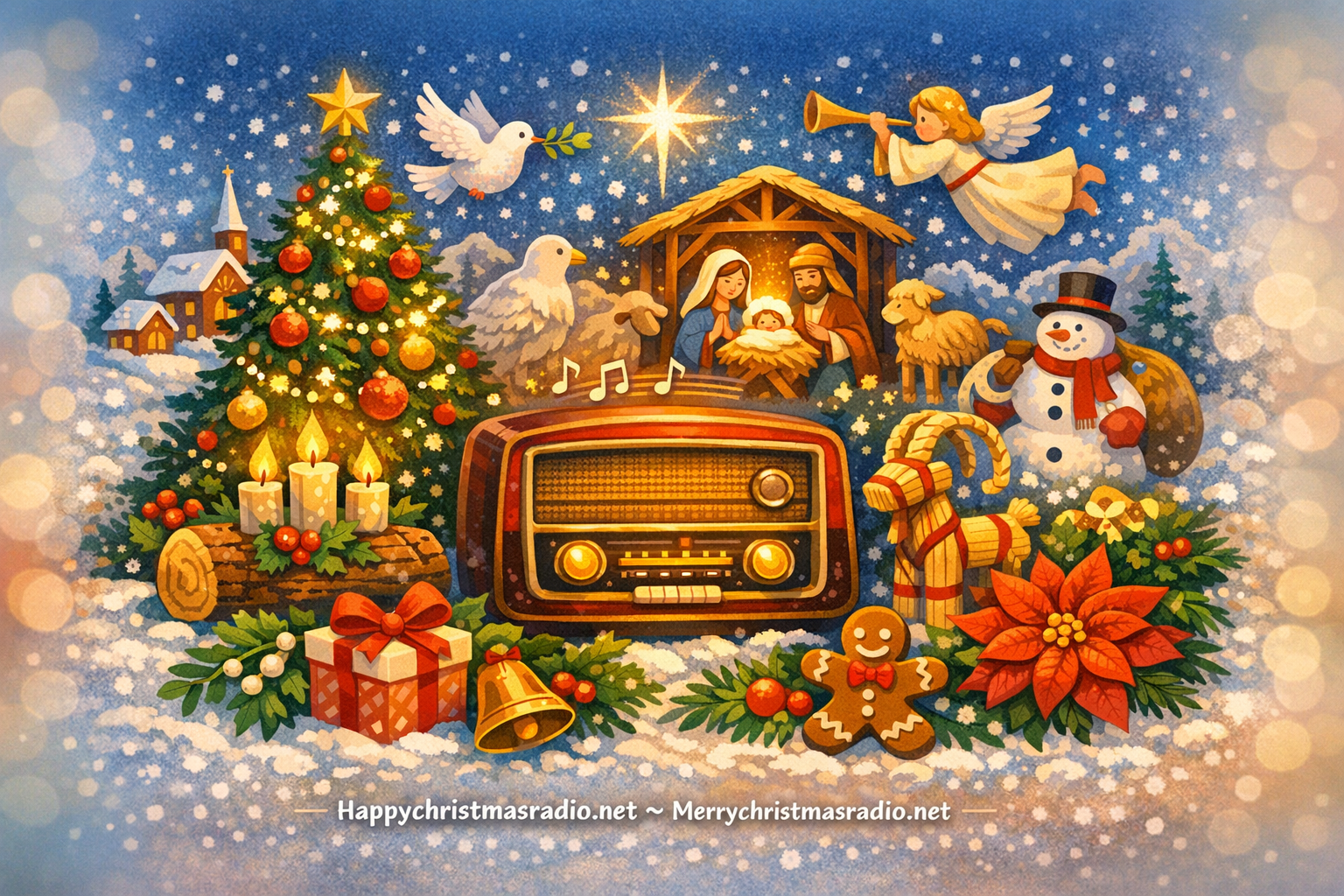
Christmas is a time of joy, celebration, and cherished traditions. From twinkling lights to fragrant pine trees, each symbol carries with it a rich history that adds depth to the holiday spirit. Understanding the origins of these symbols not only enhances our appreciation but also connects us to centuries of festive traditions.
1. The Christmas Tree: A Symbol of Eternal Life
The Christmas tree, adorned with ornaments and lights, is one of the most beloved symbols of the holiday season. Its origin can be traced back to ancient pagan rituals, where evergreen trees were used to celebrate the winter solstice. These evergreens symbolized eternal life, as they remained green even during the harshest winters.
In the 16th century, the tradition of decorating Christmas trees began in Germany. People started to bring trees into their homes and adorn them with candles, representing the light of Christ. Today, the Christmas tree stands as a symbol of hope and renewal, reminding us of the joy that comes with the holiday season.
2. The Star: Guiding Light to the Nativity
The star atop the Christmas tree has a significant meaning, often representing the Star of Bethlehem. According to biblical accounts, this star guided the Wise Men to the birthplace of Jesus, marking the arrival of the Savior. The star symbolizes guidance and divine light, leading us to reflect on the true meaning of Christmas.
Throughout history, stars have been seen as symbols of hope and aspirations. By placing a star on our Christmas trees, we not only honor this guiding light but also remind ourselves to keep our hopes alive during the darkest times of the year.
3. Ornaments: Personal Stories in Every Bauble
Ornaments have evolved from simple fruit and nuts hung on trees to intricate decorations that tell personal stories. The tradition of using ornaments dates back to the 18th century in Germany, where glassblowers began crafting beautiful baubles. Each ornament serves as a reminder of cherished memories, family traditions, and milestones.
Today, families often choose ornaments that reflect their interests, travels, and experiences, creating a unique tapestry of their lives. As we hang these ornaments each year, we are reminded of the connections we share with our loved ones and the joy of giving and receiving.
4. Mistletoe: A Kiss of Peace
Mistletoe has a fascinating history rooted in ancient traditions. The Celts believed that mistletoe possessed magical properties and was a symbol of peace and protection. Hanging mistletoe during Christmas has become a tradition where lovers share a kiss beneath it, signifying friendship and goodwill.
This charming practice encourages us to embrace love and warmth during the festive season. It serves as a reminder to cherish our relationships and spread kindness to those around us.
5. Christmas Lights: Illuminating the Darkness
Christmas lights are another cherished symbol of the holiday season. The use of lights can be traced back to the 17th century when candles were placed on trees to represent the light of Christ in a world filled with darkness. Today, the vibrant colors and twinkling lights create a magical atmosphere that brings cheer to our homes.
As we decorate our spaces with lights, we are not only celebrating the holiday but also illuminating the lives of those around us. The brightness of these lights reminds us of the joy, hope, and love that Christmas brings.
Conclusion
Each symbol associated with Christmas carries a story that connects us to our past and enriches our present celebrations. As we adorn our homes and gather with loved ones, let us remember the deeper meanings behind these cherished symbols. Embrace the history, spread joy, and create new traditions that will last for generations to come.
Celebrate the season and share your favorite Christmas traditions with friends and family!