Introduction to the Yule Log Cake
As the Christmas season approaches, many of us look forward to delightful traditions that warm our hearts and fill our homes with joy. One such tradition is the Yule Log cake, or Bûche de Noël, a delectable dessert that not only tantalizes the taste buds but also carries a rich history steeped in festive customs. This charming cake, resembling a log, has become a staple on holiday tables worldwide, and understanding its origins adds a layer of appreciation for this seasonal treat.
Origins of the Yule Log
The concept of the Yule Log dates back to ancient pagan rituals, where a large log was ceremoniously brought into homes during the winter solstice. Families would gather around the fire, igniting the log to symbolize warmth, light, and the return of the sun. As Christianity spread, this custom evolved into a more festive celebration, merging with Christmas traditions. Eventually, the log was transformed from a physical object into a culinary masterpiece.
The Transition to Cake
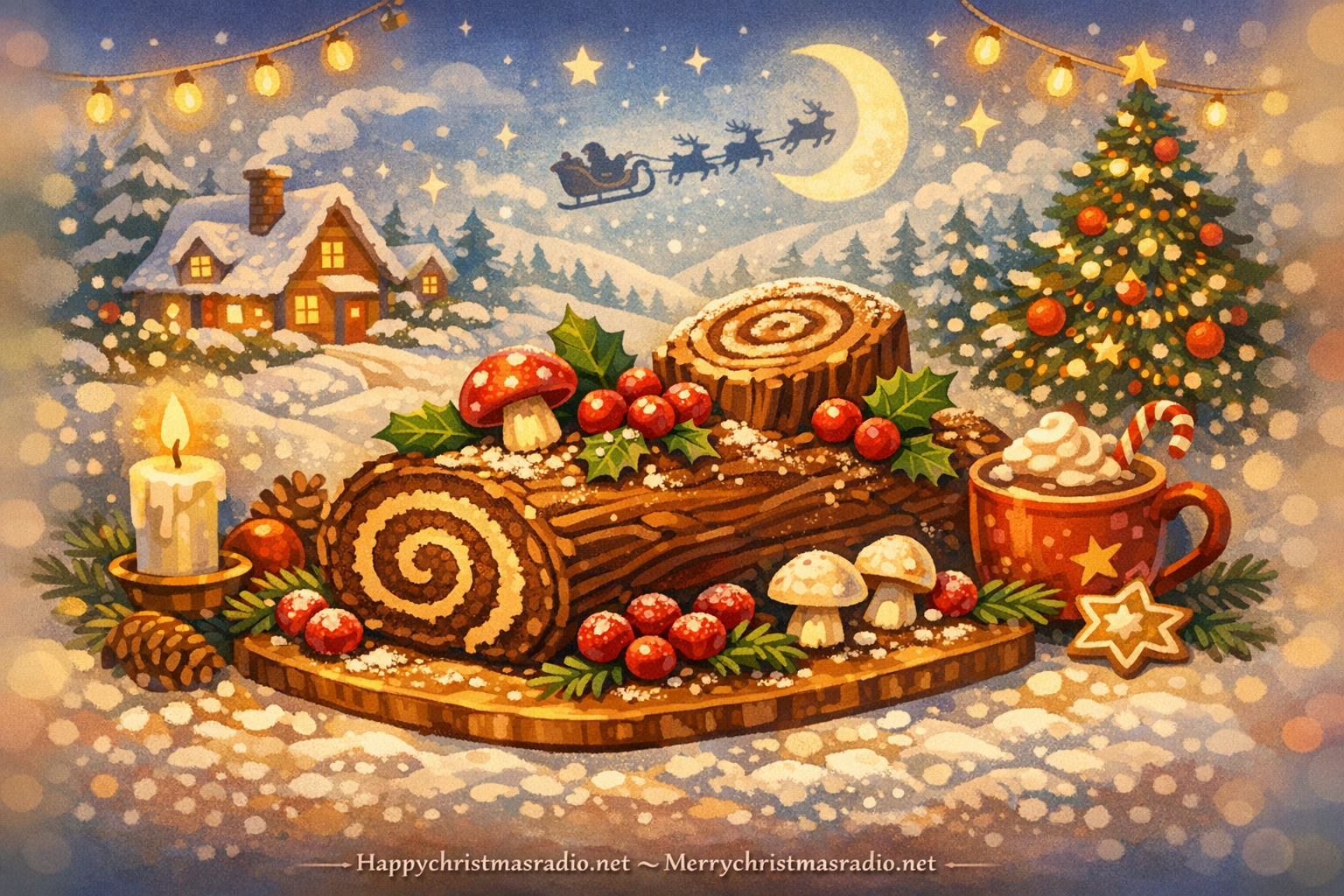
By the 19th century, the Yule Log had evolved into a cake made of chocolate sponge rolled and filled with rich cream, resembling a wooden log. The Bûche de Noël became a beloved French dessert, often adorned with meringue mushrooms and dusted with powdered sugar to mimic snow. This delightful cake not only represents the ancient custom but also serves as a centerpiece for Christmas feasts, delighting both young and old alike. Today, variations of the Yule Log can be found across different cultures, each adding its unique twist to this festive dessert.
Conclusion: A Timeless Christmas Tradition
As Christmas lovers, we cherish the traditions that bring us together, and the Yule Log cake is a perfect embodiment of that spirit. Whether you choose to craft your version at home or indulge in a store-bought treat, this delightful dessert serves as a reminder of the warmth and joy of the holiday season. So, as you gather with loved ones to celebrate, don’t forget to include a slice of Yule Log cake—it's a delicious way to honor a cherished tradition that has stood the test of time.